Table of Contents
1. Introduction
A residential lift is not just a mobility option—it is a long-term lifestyle investment that combines style and convenience in one modern solution. With many multilevel homes increasing in popularity in cities such as Sydney, Melbourne, and Brisbane, many Australians are choosing home lifts for improved accessibility, usability, and the potential to increase their property value.
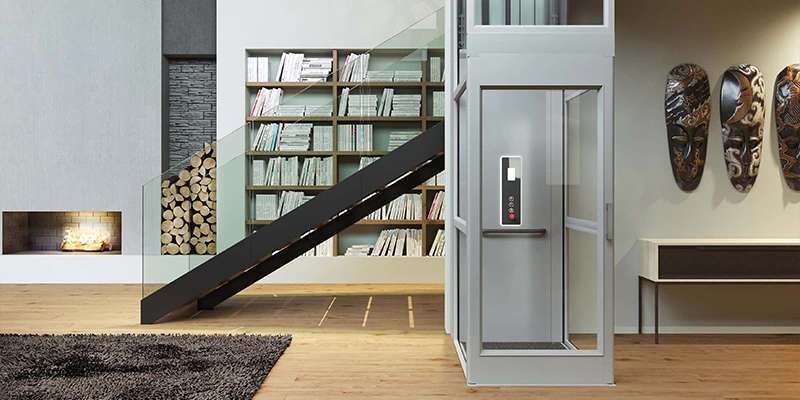
But when understanding the residential lift costs in Australia, what are the reasons behind the price? How do homeowners gain clarity on the best choice of lift for their home?
This guide outlines everything you need to know about costs, installation requirements, types of lifts and long-term value, so you can make a mindful plan for your home lift investment.
2. Why Australians Are Investing in Home Lifts
Access for Everyone and All Abilities
From seniors desiring to age in place, to families with young children, or anyone with temporary or permanent mobility limitations, home lifts are a beautiful, practical, and all-inclusive answer to day-to-day living.Â
Enhanced Value and Marketability
A residential lift adds not just functional value to your home, but also overall appeal and resale opportunity. In a competitive housing market, having home elevators to use may mean the difference between two nearly identical homes. Home elevators communicate to consumers luxury, convenience, and an opportunity for longevity in that space.Â
Unsurpassed Convenience Day-to-Day
Even carrying a few bags of groceries, moving a laundry basket, or transporting toddlers, a home lift is an easier and safer alternative for you and your family. Home elevators simplify tasks throughout the day, and heavy lifting is no longer a part of the deal.
Urban Design Shifts toward Vertical Living
Urban blocks are shrinking. As homes are being constructed upward instead of outward, lifts are, and will be, an essential feature in contemporary architecture. Vertical living dictates a solution for vertical access.
3. Key Factors That Influence Cost
Type of Elevator
- Hydraulic Home Lifts: A classic option but less space- and energy-efficient; may require a separate machine room and frequent maintenance.
- Gearless Home Lifts: Quiet, eco-friendly, and space-saving—ideal for residential use in modern homes.
- Traction Lifts: Originally used in commercial settings but available in residential formats; often involve more structural work.
Number of Stops and Travel Height
Every additional floor increases both material and installation complexity. A lift serving ground plus two levels will naturally cost less than one covering four or more levels.
Aesthetic Customisation and Technology
Interior finishes, touch panels, ambient lighting, and other premium customizations affect cost. These upgrades, while optional, allow your lift to match your home’s style and décor seamlessly.
Structural Adjustments
Older or unconventional homes may require extra preparation—like digging a pit, reinforcing floors, or adding a support shaft—which can raise installation costs.
Installation Timeline and Complexity
Longer, more complex installations generally increase labour costs. Pre-engineered systems that minimize civil work are becoming a cost-saving standard.
4. Comparing Basic vs Premium Lift Options
Basic Home Lifts
- Functional, minimalist design
- Manual or semi-automatic doors
- Limited load capacity and fewer floors
- Often includes more invasive structural needs like pits or shafts
Premium Domestic Lifts
- Fully automatic doors with soft open/close
- Sleek interiors with designer finishes
- Smart technology integrations (like remote operation or voice control)
- Quiet, efficient gearless motors
- Minimal or no structural disruption required
While basic models offer affordability, premium home lifts are often more energy-efficient and deliver greater value through customisation and lower maintenance costs.
5. Common Cost Inclusions
What’s Usually Included:
In-home consultation and site evaluation
A professional visit to assess your home’s structure, available space, and any limitations. This ensures the proposed lift fits both your needs and your layout.
Lift supply and installation
Covers the manufacturing of the lift system, delivery, and physical installation. This is the core of your investment and usually the bulk of the cost.
Core finishes, safety features, and operating systems
Standard materials for lift walls, floors, and controls are typically included, along with built-in safety measures like emergency stop buttons, interlocks, and smooth operating systems.
Initial system testing and handover
Once installed, your house lift will be tested for functionality and safety before being officially handed over to you. Basic usage training is often provided.
What May Incur Extra Costs:
Civil engineering or structural modification (like cutting through slabs)
If your home needs major alterations—such as floor slab cutting, pit creation, or reinforcement—these are often not included in the base price.
Designer finishes (mirrors, glass walls, wood trims)
Custom interior upgrades beyond standard finishes can add significant aesthetic value, but also increase the cost.
Technology upgrades (smartphone connectivity, backup power systems)
Smart controls, remote access, and battery backup features often come at an additional cost. These add convenience and safety but aren’t always standard.
Annual maintenance contracts (post-warranty service plans)
After the warranty period, ongoing service and maintenance are essential. These AMCs (Annual Maintenance Contracts) help keep your lift running smoothly but are usually billed separately.
Pro tip: Always ask for a transparent quote that itemises inclusions and exclusions. It helps you avoid surprises down the line and ensures your investment is well-planned.
6. Are Hydraulic Lifts Still Worth It?
Hydraulic lifts were once the go-to solution for residential properties, valued for their lifting power and relatively lower upfront cost. However, as technology evolves, they’re becoming less popular for modern home environments. Here’s why:
Higher Energy Consumption
Hydraulic lifts rely on fluid-based pressure systems, which require more electricity, especially during the upward travel. Over time, this can lead to noticeably higher power bills compared to energy-efficient gearless models.
Ongoing Maintenance Requirements
Hydraulic systems involve moving parts like pumps, pistons, and oil reservoirs, all of which are prone to wear and tear. Regular oil changes, leak checks, and part replacements are often necessary, adding to the long-term maintenance burden.
Increased Noise During Operation
While functional, hydraulic lifts tend to produce more noise due to their mechanical pumping system. This can be disruptive in quiet home environments, especially in open-plan layouts or multi-storey houses.
The Shift to Gearless Lifts
As Australian homeowners prioritise efficiency, aesthetics, and low maintenance, gearless elevators are becoming the preferred choice. These advanced systems are smoother, quieter, and more eco-friendly, making them ideal for residential settings.
7. Regional Considerations Across Australia
Sydney and Melbourne
In these dense urban areas, space constraints often call for compact home lift systems that are quiet, stylish, and efficient. Many homeowners are also investing in lifts as part of heritage home restorations or luxury renovations.
Brisbane, Perth, and Adelaide
These cities see a mix of new builds and renovations. Here, homeowners look for solutions that integrate well into modern architecture, often preferring lifts that don’t require deep pits or external shafts.
Regional pricing may also be influenced by logistics, availability of trained installers, and transportation costs for imported systems.
8. Final Thoughts
When looking to understand home lift cost in Australia, it is important to not solely look at the product price. There are many factors that will affect how much the project will cost, including layout, design preferences, installation details, and technology. A lift is not just about getting up and down the floors, but it’s all about how you own and live your life now and into the future.
If you are considering installing a lift at your residential home, working with the right provider is essential to your satisfaction. Elite Elevators designs and manufactures residential lifts made for Australian homes, offering high quality, minimal disruption, and Italian craftsmanship.
Get Your Personalised Quote Today
If you would like to know how much your home lift will cost, contact an Elite Elevators expert to receive a personalized quote with no obligation. We will guide you through the options available, allowing you to make an informed and confident decision.
Let Elite Elevators elevate your lifestyle, offering quality and convenience at every turn.
