Table of Contents
- Introduction – The Changing Function of Home Lifts in Australia
- Why Is Maintenance Important for Compact Residential Lifts?
- What Affects the Service Requirement?
- What Makes Maintenance a Smart Investment for Homeowners?
- Key Benefits of Regular Maintenance
- Understanding the Costs of Lift Maintenance in Australia
- Elite Elevators: Built for Minimum Maintenance, Maximum Performance
- Manufacturer Perspective on Responsible Ownership
- Conclusion – Safety, Comfort, and Cost Savings
Introduction – The Changing Function of Home Lifts in Australia
In Australia, architecture is trending upwards. Now we see multi-storey homes, duplexes, and urban villas—an indication of the popularity of a modern version of living that sits between functionality and comfort. Australia’s lifestyles have evolved, and the compact residential lift has transitioned from a luxury feature to a necessity. A residential lift provides convenience and accessibility while being beautifully intricate in its design.
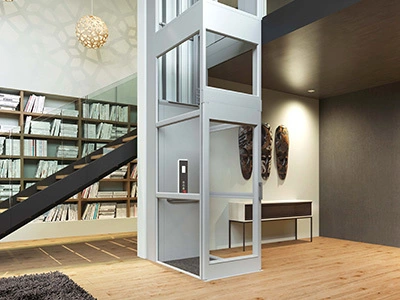
While the visual aesthetics and functionality of home elevators make them interesting devices, another equally important part of compact residential lift systems is associated simply with their upkeep. This regular activity of compact residential lift maintenance will ensure the system continues to operate optimally. Every component of the lift system—from the motors, sensors, platforms, and panels—has been put together for seamless operation for many years, but each one needs to be serviced regularly for continued effectiveness.
Elite Elevators are manufacturers of premium European home elevators; therefore, our focus is always toward producing home elevators built for minimal maintenance and maximum performance. But understanding the maintenance requirements of your elevator will help maintain comfort, as it protects your investment for the long term.
Why Is Maintenance Important for Compact Residential Lifts?
The maintenance of your compact home lift is more pertinent when you consider how it operates differently from commercial elevators. Compact residential lifts are designed to fit in the smallest shafts, minimise energy consumption for function, and provide quiet, smooth, and dependable movement between levels. Because residential lifts are complex machines made of intricate parts, regular maintenance ensures that every moving part—from the control panel to safety locks—works in unison.
1. Safety Assurance for Every Occupant
Home lifts are used daily by everyone in a household—from elderly residents and children to family friends and visitors. Routine inspections allow you to check that the lift’s doors, brakes, emergency systems, and power connections are all in good working order. Maintenance can be considered a “safety check” that helps minimise the chances of any unplanned stops or minor hardware faults.
A home lift can be relied upon day to day when serviced properly, giving everyone peace of mind that family and friends are safe at all times.
2. Increase the Lifespan of the Elevator
Like all precision machines, home lifts perform best when their component parts are cared for properly. Motors, gearless drives, and pneumatic systems all experience wear and tear over time. These components, when inspected regularly, will continue to work properly for many years without needing replacement.
Routine care prevents small inefficiencies from developing into expensive repairs, allowing homeowners to get the most value from their lift.
3. Increases Energy Efficiency
For their size, compact lifts are exceptionally energy-efficient. However, when friction increases or certain parts are out of calibration, lifts can consume extra power. Regular elevator maintenance keeps the system running efficiently, ensuring motors aren’t overloaded with unnecessary strain, which otherwise increases energy usage.
Improvements in energy consumption also help lower electricity bills—and sustainable at-home energy use is becoming an increasing priority for conscientious Australian homeowners.
4. Increases the Value of Your Property
A home lift significantly enhances property value, especially when documentation is available to show it has been serviced and maintained properly. Prospective buyers view a serviced and well-maintained lift positively—as a sign of quality workmanship and future reliability. Servicing ensures that a lift operates like new, both in terms of functionality and visual appeal, for many years to come.
What Affects the Service Requirement?
Not all home lifts require the same level of maintenance. Multiple operational and external factors can affect how often an elevator should be serviced or inspected.
1. Space
Compact home lifts are designed to operate in restrictive areas. Although this makes them ideal for homes with confined spaces, the system operates with millimetre precision. Regular inspections ensure the lift remains aligned, has adequate clearance, and moves as it should—not just after installation, but for years to come.
2. Modern Engineering
New residential lifts—hydraulic, pneumatic, or gearless—feature complex engineering and modern designs that balance comfort and efficiency. Every system has its unique parts, and each requires specific care to ensure continued reliability. Learning about this technology helps owners understand when to schedule dependable service and provides documentation for recording service cycles.
3. Use
A lift in a large family home may run dozens of times each day, whereas others may operate only occasionally. Increased or heavy use causes wear on certain parts—such as sensors, buttons, and control circuits. These parts wear evenly and should be maintained through service checks at appropriate intervals to avoid downtime.
4. Weather
Australia experiences a broad range of climates—humid on the coast, dry inland. Your house lift may be exposed to humidity, dust, or temperature changes—or a combination of these. Such factors can create wear on mechanical components as well as electronic systems like interface or circuit boards. Proactive maintenance safeguards against these factors and preserves elevator performance.
What Makes Maintenance a Smart Investment for Homeowners?
The home lift maintainence cost is often substantially less than the consequences of major repairs or replacements due to negligence. Homeowners sometimes overlook small issues—like a door that closes slowly or a flickering panel light—without realizing these could indicate developing faults. Maintenance detects such issues early, ensuring performance remains stable and repair costs stay affordable.
Key Benefits of Regular Maintenance
- Reduced Repair Costs: Preventive inspections can catch wear early and help avoid costly major breakdowns.
- Increased Reliability: Ensures your lift functions properly without service interruptions.
- Regulatory Compliance: Keeps your lift aligned with Australia’s safety and performance obligations.
- Peace of Mind: Confidence that your elevator is safe, efficient, and ready for daily use.
Overall, maintenance isn’t just a task—it’s protection for your investment.
Understanding the Costs of Lift Maintenance in Australia
The cost of maintenance varies depending on the model and usage trends. Overall, domestic lifts are less expensive to maintain than larger commercial elevators. Factors affecting maintenance costs include:
- Type and size of lift: Compact home lifts with fewer mechanical parts are generally cheaper and easier to maintain.
- Frequency of use: Lifts used frequently benefit from scheduled check-ups to maintain performance.
- Replacing equipment: As with any manufactured item, some parts—like sensors or belts—may need replacement during the elevator’s lifespan to ensure smooth operation.
Preventive maintenance remains the most cost-effective service compared to emergency repairs—regardless of how often your lift is used.
Elite Elevators: Built for Minimum Maintenance, Maximum Performance
As an EN 81-41 certified residential lift manufacturer, Elite Elevators creates products that deliver durability, performance, efficiency, and minimal maintenance. Our home lifts comply with leading European design and safety regulations, offering maximum reliability with modern aesthetics that complement contemporary homes.
Elite Elevators compact lifts are:
- Self-supporting: Built without a machine room or pit, simplifying installation and reducing complexity.
- Constructed from high-value materials: Resistant to moisture, rust, and mechanical stress, ensuring longevity.
- Engineered for smooth ascension: A patented drive system minimizes friction and wear, extending lift lifespan.
- Designed with multilayered safety systems: Including automatic rescue devices and backup power systems to ensure continued operation during emergencies.
Through intelligent engineering and advanced materials, Elite Elevators achieves lift designs that require minimal maintenance and offer long-term performance for homeowners.
Manufacturer Perspective on Responsible Ownership
Owning a home elevator represents more than just a method of safe transportation—it reflects responsible ownership. Elevators are intricate machines whose operational efficiency depends on proper care. Companies like Elite Elevators embody this partnership, combining precision engineering with owner responsibility to ensure the lift operates as smoothly as it did on day one.
Caring for your elevator not only preserves convenience but also reinforces safety, modernity, and future-proofing. Establishing systems for routine and preventive maintenance ensures continued mechanical performance in line with original specifications and enhances the esteem of a lift in any home.
Conclusion – Safety, Comfort, and Cost Savings
Compact residential lifts across Australian homes have been transformed by modern engineering and beautiful design. However, the true value of a compact residential lift depends on how well it’s maintained.
Investing in both a compact residential lift and its care means:
- Travel for all family members is safer and more comfortable.
- Reliability improves with smoother, more consistent performance.
- Lifespan extends, with fewer repairs over time.
- Home value is preserved and maintained in compliance with safety standards.
Elite Elevators’ design philosophy and engineering discipline ensure every lift is aesthetically refined, durable, and low-maintenance from the manufacturing line. For homeowners investing in Elite Elevators’ certified family lift systems, this means measurable luxury, practicality, and peace of mind—knowing their elevator is not only a modern convenience but a long-term part of their home’s future.
In fact, an Elite Elevators that is well cared for represents much more than mechanical transport—it offers peace of mind, longevity, and efficient lifting that families can continue to rely on for decades to come.
