Table of Contents
- Increased Interest in Home Lifts in Australia
- What a Reasonable Cost Looks Like to Expect
- Determining Factors that Influence Home Lift Installation Costs in Australia
- 1. Technology & Drive System
- 2. Levels (including additional stops)
- 3. Space, Home Layout & Retrofitting or New Home Build
- 4. Pit / Over-run / Headroom Clearance
- 5. Customisation & Aesthetics
- 6. Installation Time, Labour & Disruption
- 7. Compliance, Permits & Safety Standards
- 8. Running Cost & Lifetime Value
- How to Select the Right Home Elevator Company
- Considerations That May Help Keep Your Home Lift Installation Costs Down
- Contextualising with Three Examples to Help Paint the Cost Picture
- FAQ about Residential Lift Costs in Australia
- Summary
If you are exploring the installation of a home lift in your property in Australia, you are probably asking: what is the home lift installation costs in Australia?” As a homeowner, whether you are planning for ease of mobility, to add a luxury quality, or to increase an investment/existing home’s resale value, you want to have a clear understanding of the cost factors that are part of being a homeowner.
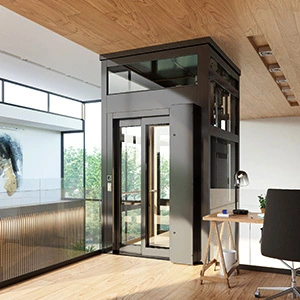
Let’s take a look at some expectations when considering installing a lift for homes, what abilities drive cost itemization, and how you as a prospective buyer can get the best bang for your buck from some reputable home elevator companies you encounter.
Increased Interest in Home Lifts in Australia
The housing market is changing in Australia and there is an increase in residential interest in lifts in Australia to support multigenerational families, aging and mobility needs, renovation, convenience, and luxury quality/renovation. Installing a home lift affords very generous conveniences, such as improving mobility and lifting laundry, heavy groceries, and furniture, as well as providing an additional value of distinction to the appeal of your home.
The good news is that there are more options than ever today. You can choose from very compact space-saving home lifts, full-size with limitless options, large and full glass panoramic options and everything in between. However, with increased interest comes a pretty wide range in pricing for home lifts.
What a Reasonable Cost Looks Like to Expect
Every home is unique and every install is unique as well. With that said, here is a ballpark expectation of what homeowners might expect to pay for a lift in Australia:
- A basic two-stop lift (ground to first floor) ground elevator in a new build home might cost – .
- A midrange lift with custom finishes, maybe slightly more stops, and/or retrofitted into an existing home may cost – .
- Premium or fully customized home elevators (several floors, luxury cabin fittings, glass walls, panoramic views): or more.
Keep in mind that our estimations include both equipment (machine and control system) and installation (shaft, pit incorporation or not, structural alterations, any electrical work and finishing). The overall price will depend immensely on your home’s design along with the selected lift type.
Determining Factors that Influence Home Lift Installation Costs in Australia
Recognizing the cost drivers will assist you in working wisely with a home elevator company and creating a suitable level of service. You need to break these down:
1. Technology & Drive System
The type of lift you employ matters. Conventional traction or hydraulic home lifts reasonably demand space for a machine room or pit. More modern alternatives (vacuum-driven or compact gearless systems) can decrease structural demand and labor. The less involved the installation demand, the more competitive your price can be.
2. Levels (including additional stops)
Any additional stop (or level) adds cost: increased shaft height in most cases, increased complexities with control, and additional indirect structural support and restraint. For example, a lift running from the ground floor to the first floor will cost less than a function running from the ground to three or four levels.
3. Space, Home Layout & Retrofitting or New Home Build
If your home was built solely without provision for a lift build, this will likely yield increased costs for structural alterations of some sort: either reinforcing the existing site of the lift, creating a new lift shaft (or increasing the same), including safety enclosures and meeting amended codes for building compliance. New homes committed to lifts should generally provide lower installed costs per level because you are working with dedicated lifts and structural requirements.
4. Pit / Over-run / Headroom Clearance
Some residential lifts need a pit located at the floor, headroom clearance above the top landing, or machine-room space, which are added elements of complexity of cost. More compact home lift models designed for restricted space generally cost less because of the elimination of large pits or external machine rooms.
5. Customisation & Aesthetics
Enhancements to the cabin (glass walls, bespoke finishes, designer lighting, premium control options, etc.) enhance the aesthetic — but also the cost. Budget models will almost always have standard finishes and basic control options, whereas luxury models can send the costs into the high range.
6. Installation Time, Labour & Disruption
Any additional installation time or disruption in your living spaces costs more. Defining a higher cost because a retrofitted lift is taking up active remodel time, and the need for extensive structural work is lengthening the labour time, which lengthens the overall time … and this increases cost.
7. Compliance, Permits & Safety Standards
Australia has strict building codes and standards specific to lifts. An established and reputable home lift company will ensure all work complies with all regulations. Depending on your jurisdiction and house style, permits, inspections and certification may add cost, etc. Doesn’t mean you can skip these steps either.
8. Running Cost & Lifetime Value
Installation cost matters, but it’s also the cost over time of use (e.g., maintenance, energy consumption, reliability, part availability, etc.). Consider the trade-off of a marginally higher purchase cost for a higher reliability system that is low maintenance and eventually saves you over a longer time. Clients sometimes see lift installation choices as expensive and building value for their property.
How to Select the Right Home Elevator Company
Choosing a company you can trust is just as important as selecting the right lift product. Proven history of providing house lifts in Australia, including retrofitted installations and new builds.
- Clearly identified costs – the equipment, installation costs, structural work, and permit issues.
- Clear warranties and terms of maintenance.
- The ability to meet relevant Australian codes and standards.
- Open and honest communication regarding the project schedule, what disruption it may cause, finish quality and after-sale support.
Working with a reputable company provides reassurance that your lift will be safe and perform to your specification while being value for money.
Considerations That May Help Keep Your Home Lift Installation Costs Down
Practical homeowners can keep costs down without compromising on quality. Below are some considerations to help do this.
- Plan for the lift early – If you are building or undertaking a major renovation, specifying the lift from the outset saves expensive structural modification and labour.
- Install a compact model that meets your requirements – If you only need a two-stop home lift with a modest cabin, you won’t need to install a luxury multi-floor system unnecessarily.
- Consider waiting for customisation at the outset – Get started with standard finishes and do customisation down the track once the lift is in operation.
- Compare quotes from a number of reputable companies – look at the total cost, what is included, what is an additional cost, and what installation timeframe looks like.
- Check in with regards to maintenance and energy efficiency – A more affordable lift may end up costs more in the long run if maintenance is frequent or if spare parts are difficult to source.
- Consider future-proofing – Think about access now and envisioned situational value, given that a home lift is installed, whether you are staying in the home longer term or selling.
Contextualising with Three Examples to Help Paint the Cost Picture
Scenario A – New build with little lift, two stops, compact lift
You have a double-story house with the lift shaft as part of the build, you choose a basic model lift, off the shelf after the lift shaft construction with basic finishes, you could expect to be in the range.
Scenario B – A lift in an existing house retrofit
You have a double-story house with three levels and no lift provision and you would like to have a lift effect in at least one range of cabin finishes, with the additional costs associated with structural changes and retrofits. In this case you would be expecting somewhere in the range and more if the complexity exceeded the basic requirements.
Scenario C – Luxury multi-floor, panoramic glass lift, with top-end finishes
You are between the ground floor and the second floor (three stops) in a boutique home with a designer cabin with glass walls and specially designed lighting, plus touch control systems. This type of installation generally includes a pit and a machine room and costs will be in excess of .
A huge amount will depend on your home configuration, lift system chosen, brand of lift and complexity of installation. Make sure the quote reflects the conditions of your home.
FAQ about Residential Lift Costs in Australia
Q1. Will having a lift improve the resale value of my home?
Yes, a good lift, installed and continuing to be maintained properly, adds value in the area of accessibility, convenience and luxury appeal. For the right prospect, it can be a strong differentiator.
Q2. What is the most budget-friendly lift type?
Generally, a two-stop compact residential lift with a new build/construction installation (minimal structural works) will be the least expensive option. Reducing pit and machine room large assembly volumes can save money.
Q3. How more expensive is retrofitting than new build?
Retrofitting is usually more expensive as there is more structural work, finishing and disruption. The final cost may be 20-50 % higher (or more) than the same type lift new installation, depending on existing conditions.
Q4. Are there ongoing costs to consider?
Yes. Maintenance and servicing, electricity usage, insurance and eventually needing to replace components all contribute to the lifecycle cost of a home lift. By budgeting for these and working with a reputable home elevator company, you can keep the surprises to a minimum.
Q5. How long is installation?
The time frame will vary: a new build installation could take a few weeks to fit-out once the shaft is ready; a retrofit could be anywhere from several weeks to months depending complexity. Be sure to ask the installer to be clear about the time frame and any disruption expected.
Summary
A lift is a sizeable investment however for many homeowners in Australia, it is more than simply transporting you vertically; it is independence, convenience, accessibility and an upgrade to your home. By understanding the key cost drivers to the home lift installation costs in Australia, being realistic about your requirements and working with the most appropriate home elevator company for your needs, you can make an informed decision which will add value to your home and the quality of your daily life.
Think of budgeting for your lift, not only in terms of the price you pay up front, but in terms of the lifetime value to you, both in your day-to-day living and the appeal of your property over time. With careful planning and smart choices,
